


The Best Broadhead Weight for Deer vs. Elk — What You Need to Know
Choosing the right broadhead weight can dramatically impact your bow’s performance and your results in the field. Whether you’re chasing whitetails in the Midwest or elk out West, understanding how grain weight affects flight, speed, and penetration helps you make the most ethical and effective shot possible.
100-Grain Broadheads — Speed and Flat Trajectory
For many whitetail hunters, 100-grain broadheads are the go-to. They offer faster arrow speeds and a flatter trajectory, which can make a difference in tight-timed shooting situations or longer shots in open terrain. Lighter broadheads also allow for easier tuning with most modern bows.
125-Grain and 150-Grain Broadheads — Momentum and Penetration
When it comes to larger game like elk, moose, or bear, heavier broadheads can deliver a noticeable edge in momentum and penetration. A 125-grain or 150-grain head carries more kinetic energy through bone and tissue, improving the odds of a complete pass-through and ethical recovery. The trade-off in speed is minimal, but the added impact is substantial.
Finding the Sweet Spot for Your Setup
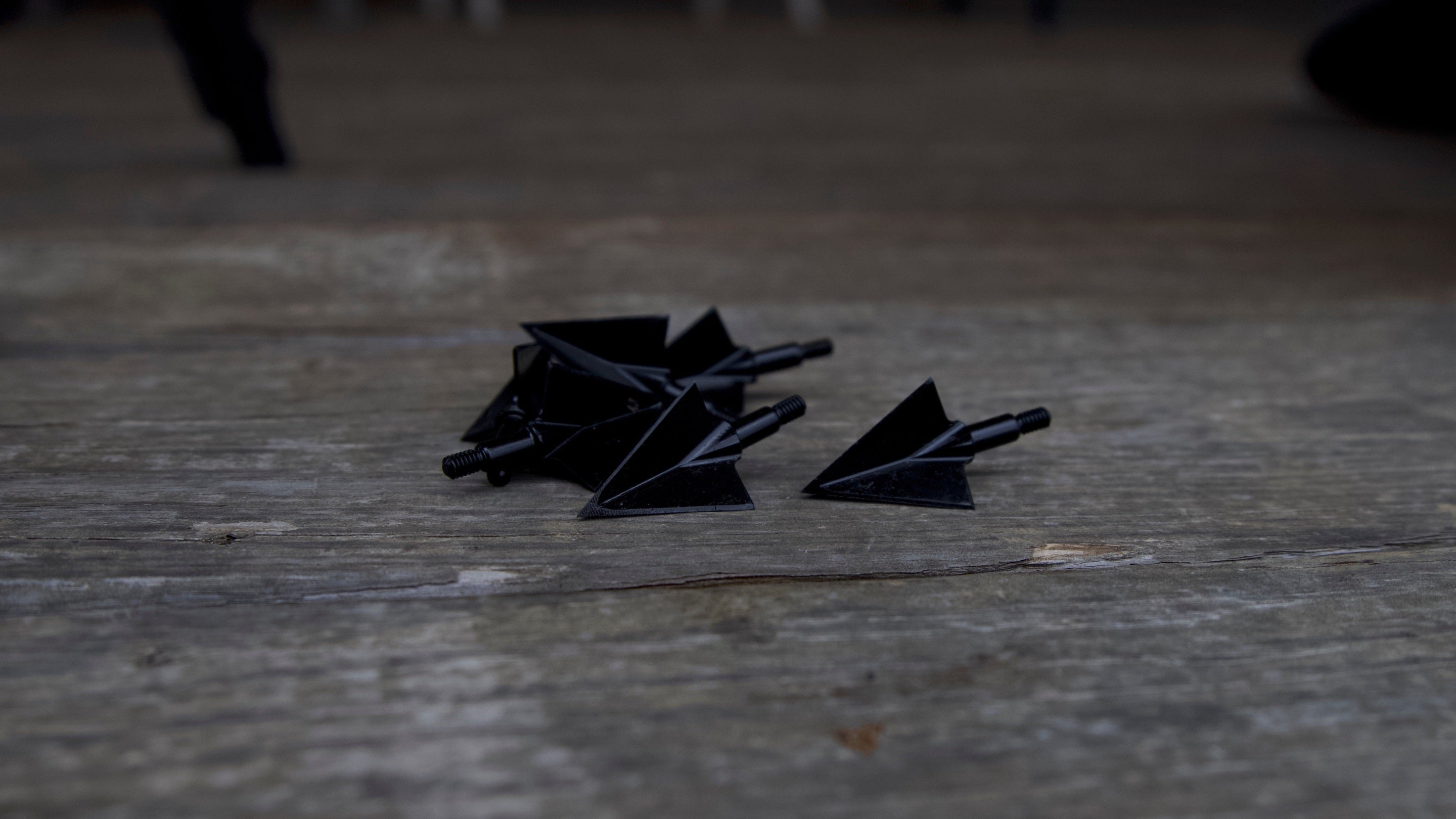
Your bow’s draw weight, arrow spine, and total arrow weight all play a role. Many bowhunters find that 125 grains strikes the perfect balance between speed and power — especially when using a solid one-piece broadhead machined from tool steel.
Whether you prefer a 100-grain setup for speed or a 150-grain for maximum punch, consistency and tuning are key. Match your broadhead weight to your hunting goals, and you’ll be rewarded with better flight, accuracy, and confidence in every shot.
Explore VPA’s full lineup of one-piece broadheads — available in multiple grain weights for every bowhunter and every game animal.


Leave a comment